Denver vs Houston: Unpacking the Urban Showdown in Cost, Lifestyles, and City Status
When considering a move or simply comparing major American metropolises, Denver and Houston often emerge as fascinating contrasts. While both boast robust economies, diverse populations, and vibrant cultural scenes, they offer distinctly different experiences in terms of cost of living, earning potential, and overall quality of life. This comprehensive guide dives deep into what makes each city unique, from the practicalities of daily expenses to the passion of their professional sports teams, helping you navigate the dynamic landscape of
Denver Vs Houston.
Denver vs Houston: The Cost of Living & Earning Power Divide
One of the most immediate and impactful differentiators between these two cities is the cost of living. Data consistently shows that Denver is significantly more expensive than Houston, with an estimated
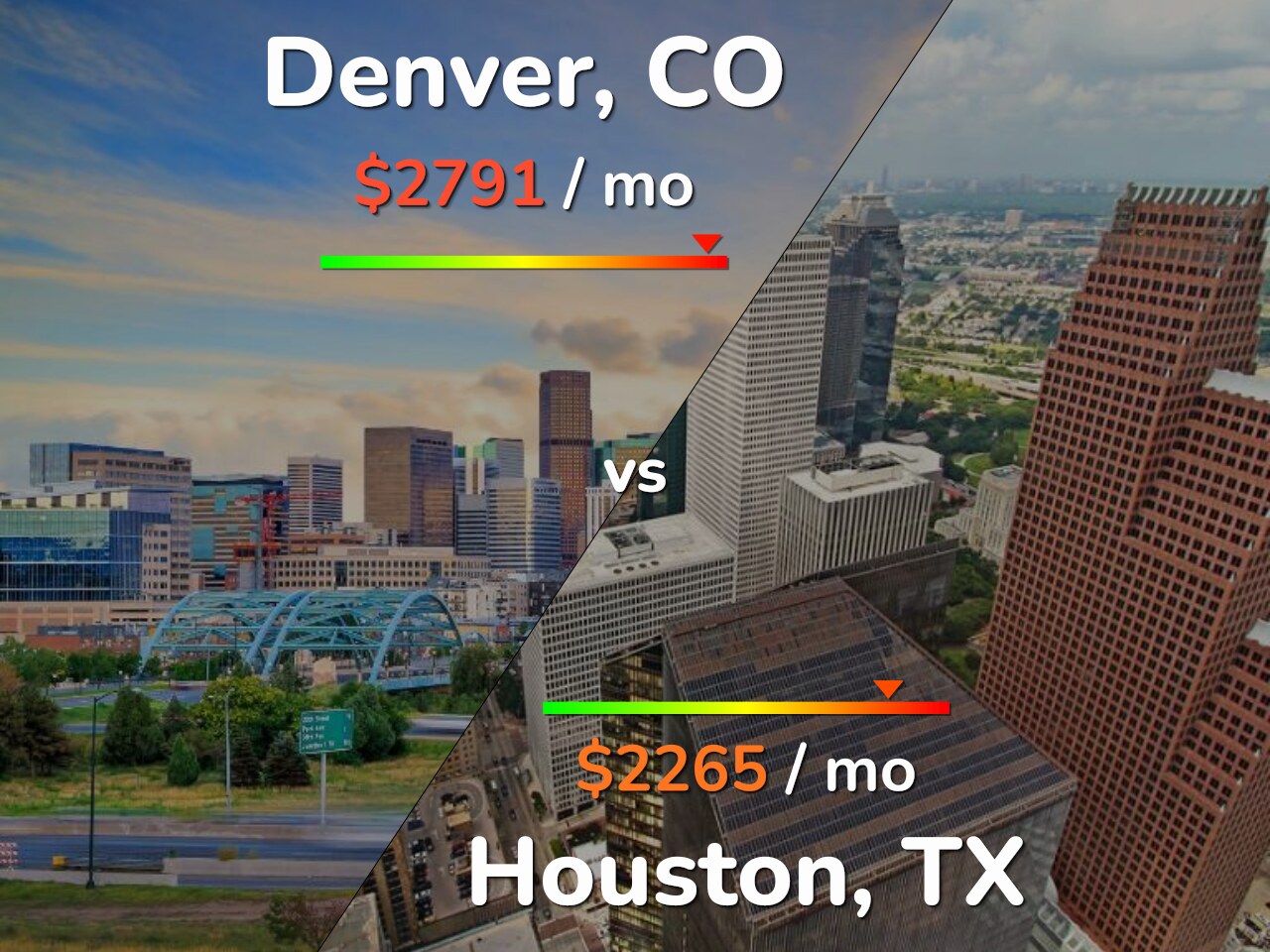
23% higher cost of living. To put this into perspective, Denver ranks as the 432nd most expensive city globally, with average monthly expenses hovering around $2,791. In contrast, Houston sits much lower at 1354th worldwide, with an average monthly cost of $2,265. Within the United States, Denver is the 365th most expensive city, while Houston ranks 1137th.
This disparity in expenses naturally affects the purchasing power of residents. While Denver offers a strong job market, the average after-tax salary in the Mile High City is typically sufficient to cover living expenses for approximately 1.6 months. In Houston, despite potentially lower average salaries in some sectors, the reduced cost of living means residents can stretch their income further, with the average after-tax salary covering living expenses for a more comfortable 2 months.
Several factors contribute to Denver's higher costs. Its desirable location nestled against the Rocky Mountains often translates to higher housing prices due to limited developable land and continuous demand from those seeking an outdoor-centric lifestyle. A burgeoning tech industry and a steady influx of new residents also put upward pressure on prices for everything from rent to groceries. Houston, on the other hand, benefits from its expansive geography, allowing for more affordable housing and a lower overall cost of consumer goods and services, underpinned by its status as a major energy hub and a port city. For those prioritizing financial flexibility and maximizing disposable income, Houston generally offers a more budget-friendly environment.
City Rankings: Quality of Life & Global Standing
Beyond the raw numbers of expenses and salaries, how do Denver and Houston stack up in terms of livability and quality of life? The rankings reveal a surprising contrast. Houston consistently receives high marks, standing as the
1st best city to live in the United States and the 16th best globally. Denver, while still a highly desirable city, lags behind in these comprehensive evaluations, ranking 61st in the U.S. and 239th worldwide.
These "best cities to live" rankings often consider a broad spectrum of factors beyond just cost, including job market strength, cultural diversity, educational opportunities, healthcare access, public safety, transportation, and amenities. Houston's high ranking can be attributed to its formidable job market, particularly in the energy, healthcare, and aerospace sectors, coupled with its remarkably diverse population and rich culinary scene. Its widespread availability of affordable housing and absence of state income tax further enhance its appeal for many. The city's extensive network of parks and a strong philanthropic community also contribute to a high quality of life.
Denver's ranking, while lower, still reflects its significant strengths. It's a magnet for outdoor enthusiasts, offering unparalleled access to hiking, skiing, and other mountain sports. Its vibrant downtown, craft brewery scene, and cultural institutions are major draws. However, the higher cost of living, increasing traffic congestion, and challenges related to rapid growth may impact its overall score in comparison to Houston's broader accessibility and affordability. For individuals prioritizing immediate access to nature and a specific kind of active lifestyle, Denver might still be the preferred choice, but for a more holistic blend of affordability, opportunity, and urban amenities, Houston often takes the lead in these comprehensive city evaluations.
Beyond the Balance Sheet: Lifestyle & Culture
The distinct geographies of Denver and Houston naturally foster unique lifestyles and cultural identities. Denver, situated at the base of the Rocky Mountains, is synonymous with an active, outdoor-centric lifestyle. Weekends often involve heading to the slopes for skiing or snowboarding, hitting mountain trails for hiking or mountain biking, or exploring the vast expanse of national parks. The city itself boasts a thriving craft beer scene, a growing culinary landscape, and a strong emphasis on health and wellness. Its culture is often described as laid-back yet ambitious, attracting those who value a strong connection to nature alongside urban amenities.
Houston, in stark contrast, is a sprawling metropolis in the heart of the Gulf Coast. Its culture is defined by incredible diversity, reflecting its status as one of the most ethnically varied cities in the U.S. This diversity translates into an unparalleled food scene, ranging from authentic Tex-Mex and Vietnamese to world-class fine dining. Houston is also a major hub for arts and culture, home to a renowned theater district, numerous museums, and NASA's Johnson Space Center. While outdoor activities might lean more towards coastal pursuits, bayou explorations, and extensive park systems, the city's focus is largely on its vibrant urban tapestry, its dynamic economy, and its warm, Southern hospitality. Choosing between the two often comes down to whether you envision your leisure time scaling mountains or exploring diverse neighborhoods and culinary delights.
AFC Showdown: Broncos vs Texans – A Sporting Pulse Point
Beyond economics and lifestyle, the cultural fabric of American cities is often woven with the threads of professional sports. The rivalry between Denver and Houston intensifies dramatically on the gridiron when the Broncos and the Texans clash. These games are more than just athletic contests; they are major cultural events that unite communities and ignite passionate debate.
Consider a recent critical AFC showdown where the Denver Broncos traveled to Houston to face the Texans at NRG Stadium. The Broncos, entering the matchup with a strong 6-2 record, were aiming to maintain their impressive start to the season. The Texans, at 3-4, were desperate for a turnaround in front of their home crowd, adding immense pressure to the contest.
Injuries significantly impacted both lineups, underscoring the demanding nature of professional football. The Broncos were notably without key players such as cornerback Patrick Surtain II (pectoral strain), wide receiver Marvin Mims Jr. (concussion protocol), and tight end Nate Adkins (knee issue). These absences forced Denver to rely heavily on its depth and strategic adjustments. For the Texans, tight end Dalton Schultz was questionable with a knee problem, and defensive end Dylan Horton was doubtful, necessitating adjustments to their defensive line rotations.
Coaches' game plans highlighted the strategic chess match inherent in NFL football. Broncos head coach Sean Payton emphasized a balanced offensive attack, intending to mix running plays with play-action passing, while relying on an improved defense to compensate for missing starters. Texans coach DeMeco Ryans focused on generating defensive pressure to disrupt Denver’s quarterback and implementing a controlled offensive approach, utilizing short passes and a strong run game to dictate tempo and chew up the clock.
Media coverage and studio analysts consistently framed this as a pivotal game, with significant AFC playoff implications. Analysts highlighted Denver’s overall depth and current form, but also debated the potential impact of their missing starters on offensive consistency and defensive coverage. Houston’s recent defensive improvements and the undeniable home-field advantage at NRG Stadium made them a formidable opponent to watch. Observers suggested that early drives, field-position battles, and the ability to convert on crucial third downs would be decisive factors. Key matchups under scrutiny included Denver’s front seven against Houston’s offensive line, the Texans’ secondary battling the Broncos’ passing attack, and each team’s performance in the red zone. Turnover margin and special teams execution were also emphasized as potential game-changers, with early momentum often shaping the final outcome. For a deeper dive into the tactical nuances, check out our
Broncos vs Texans: AFC Showdown Preview with Injuries & Game Plans. Furthermore, for a detailed breakdown of the critical matchups and coaching strategies, our article on
Broncos Texans: Key Matchups, Coaching Strategies, and Impact Injuries offers further insights.
Conclusion
Choosing between Denver and Houston is a decision that extends far beyond a simple geographical preference; it's about aligning a city's offerings with your personal and professional priorities. If a lower cost of living, expansive diversity, a robust job market, and a top-tier ranking in overall livability are your driving factors, Houston presents a compelling case. The ability to stretch your salary further and enjoy a rich tapestry of cultures, food, and urban amenities makes it an attractive option.
Conversely, if an active, outdoor lifestyle, unparalleled access to mountain recreation, a dynamic craft scene, and a strong sense of community rooted in a high-altitude setting are paramount, Denver could be your ideal home, even with the higher price tag. Both cities offer significant opportunities and vibrant cultures, each with its unique flavor, from the economic engines that drive them to the passion that fuels their sports rivalries. Ultimately, the "better" city in the
Denver Vs Houston debate depends entirely on what you value most in your urban experience.